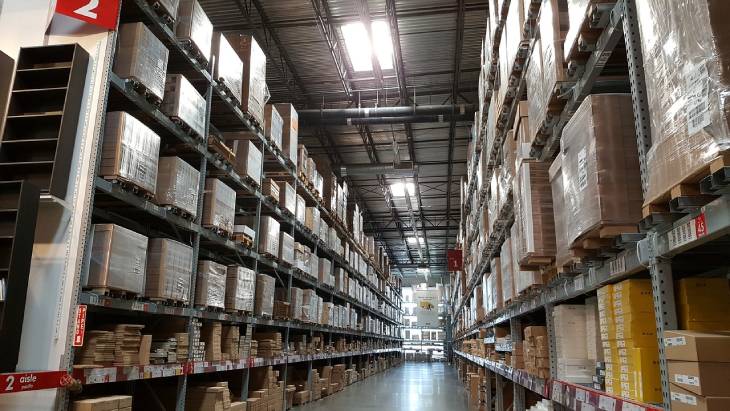
Many companies have warehouse equipment they no longer need due to relocation, downsizing, or upgrading. Liquidating these items can net a good amount of money for the company, if done correctly.
A professional liquidator has experience in assessing and estimating value, providing fair market prices. They also have a wide network of buyers, helping them sell equipment quickly.
Selling Excess Inventory
In a warehouse, inventory liquidation is an important part of optimizing the space and converting surplus or unwanted stock into money. Liquidating items in a warehouse can help reduce inventory and storage costs, improve cash flow, and enable reinvestment in other areas of the business. However, preparing for a warehouse liquidation is a complex process that requires careful planning and execution.
Companies like Conesco Storage Systems deliver high-quality, high-volume new and used warehouse equipment and material handling services. Specializing in warehouse liquidations, we purchase large quantities of pallet racking, pick modules, conveyors, mezzanines, and other equipment. We also offer labor, project management, and freight logistics services to optimize warehouse efficiency.
Businesses often find themselves in a position of needing to liquidate inventory due to inaccurate demand forecasts, poor inventory management, or other unexpected factors. When this happens, it can be challenging to determine how to get rid of the excess inventory in a timely manner without causing financial losses.
To minimize the risk of inventory liquidation, companies can implement various strategies to prevent overstocking in the first place. These include implementing inventory control strategies that allow them to track their inventory more closely and understand where and when they are buying the right amount of stock, as well as adjusting purchasing processes to align with changing industry demands. Companies can also monitor product sales patterns and look for seasonal trends to predict when demand will decline, enabling them to begin discounting or offering other promotions in advance of it occurring.
Some of the most common ways to sell inventory are through liquidation websites, auctions, and online marketplaces. This can be a lucrative way to get rid of unwanted or obsolete inventory, but it is essential for companies to maintain good customer service and provide a smooth experience for buyers. Providing exceptional buyer support can help you develop a loyal customer base and increase your chances of future repeat business.
Another option for selling excess inventory is to partner with a professional liquidation company. These specialists can purchase inventory in bulk from companies and resell it to other businesses at discounted prices. This can be a cost-effective strategy for companies with excess inventory, but it may require setting aside a dedicated area in the warehouse and dedicating personnel to managing the liquidation process. Alternatively, many large retailers and manufacturers have opted to launch their own B2B online auction platforms that connect them with potential inventory buyers directly.
Disposing of Excess Inventory
There are many reasons why warehouses may find themselves in need of liquidating inventory, including excess stock that is not selling or obsolete products. Regardless of the reason, it is important to take the time to plan and execute warehouse liquidation in a strategic manner. This is a key step in optimizing warehouse operations and freeing up space for more valuable products.
To ensure you are getting the most return on your warehouse assets, be sure to sell them at a fair price that is in line with industry standards and the condition of the equipment. In addition, be sure to treat buyers with integrity and communicate openly with them throughout the process. Finally, it is a good idea to work with a professional liquidation company to maximize the value of your assets.
Whether you choose to sell your surplus at an auction, through direct sales to consumers, or in bulk on digital marketplaces, be sure to price items competitively and consider the shipping costs. Choosing the right pricing strategy will minimize your loss percentage and allow you to quickly turn over slow-moving inventory while increasing profitability.
Another way to dispose of dead stock is by offering it as freebies or promotional gifts to customers, which can help increase customer engagement and brand loyalty. This is also a great way to promote new products or offers. Lastly, you can donate unsellable inventory to charity, which will not only reduce your inventory and storage expenses but will also benefit those in need.
Alternatively, you can send unwanted inventory to disposal companies, which will recycle or destroy them for a fee. However, it is important to note that this method can be expensive and may result in environmental damage. Furthermore, unsold goods often end up in landfills or incinerators, which is an added expense to your bottom line and contributes to an escalating waste crisis around the world. This is why it is important to invest in inventory liquidation strategies that will not only reduce storage costs and free up space but also help you avoid obsolescence and waste.
Maintaining Relationships with Buyers
Warehouse liquidations involve more than just selling assets and inventory—they also involve developing relationships with buyers. It’s important to communicate with your buyers regularly and provide excellent customer service to ensure buyer satisfaction. This will increase buyer trust in your business and encourage repeat purchases. For example, if you’re liquidating dock equipment, be sure to answer all of your buyers’ questions and concerns promptly. This will show that you value their concerns and are committed to providing them with an exceptional experience.
During warehouse liquidations, it’s essential to make careful assessments of each piece of inventory to determine its market value and liquidation value. This will allow you to make an informed decision about whether or not it makes sense to sell your assets. For instance, if you’re liquidating dock carts, you’ll want to consider the current demand for them and their long-term value. You’ll also want to evaluate the cost of replacing them, which will help you determine if it’s financially prudent to sell them now.
In addition to the value of a piece of equipment, you should also consider its ease of use and its ability to save space in your warehouse. For instance, automated carousels are a great way to maximize floorspace in your warehouse and reduce the need for additional leased space. Consequently, they are often a popular choice for warehouse owners looking to expand their operations. As such, they should be a top contender on your list of inventory to sell during a warehouse liquidation.
Similarly, conveyor systems can be a valuable asset to sell during a liquidation. Depending on their age and condition, used conveyors can be worth a significant amount of money when sold to the right buyers. Moreover, if you sell your used conveyors to the right buyer, you may even be able to negotiate a higher price.
Warehouse liquidation is a complex process that requires an experienced team of professionals to manage it effectively. A professional liquidation company will have a large network of buyers, ensuring that your assets are sold quickly and at fair prices. In addition, they’ll have the expertise to accurately assess the value of your assets and help you recover maximum value from your inventory.
Getting the Most Out of Your Assets
Warehouse Liquidations are a strategic way for businesses to rid themselves of unnecessary inventory, equipment or assets. When well-planned and executed, this process frees up space and unlocks capital for reinvestment.
Getting the most out of your warehouse liquidation requires careful planning, cataloging and pricing of your inventory. It is also important to choose the right marketplaces, sales channels and fulfillment options for your items. By following these tips, you can maximize your profits and make the most of your liquidation sale.
It’s important to get an appraisal of your assets before starting to sell. This will give you a sense of what you can expect to receive for each item, and will help you set reasonable expectations on the price that you will be able to sell your inventory for.
The value of any piece of warehouse equipment will depend on its condition, age and other factors. For example, older warehouse racks can be difficult to sell because they are less appealing to buyers than newer models. However, if you have a reputable warehouse liquidation company, they will know how to sell your equipment and may be able to secure a buyer quickly.
Another option for selling warehouse inventory is through auctions. This can be a great way to get a quick sale for high-value inventory, but it can also be time-consuming and expensive. When you have a lot of items to sell, it can be helpful to hire a liquidation company who can handle the entire process for you.
Other ways to get the most out of your warehouse liquidation include donating inventory to charities, non-profit organizations or other companies in need of equipment. This will not only remove items from your facility, but it will also provide a tax deduction for your business.
Liquidating inventory can be an effective way to improve cash flow and ease financial strain. Storing excess merchandise can result in high inventory carrying costs, which eat into profit margins. By leveraging online marketplaces, you can reduce these carrying costs and improve your cash flow. In addition, you can work with liquidation companies to ensure that your products are sold at a fair price and that your inventory is properly disposed of.
Featured Image Source: https://cdn.pixabay.com/photo/2017/09/04/18/51/ikea-2714998_1280.jpg